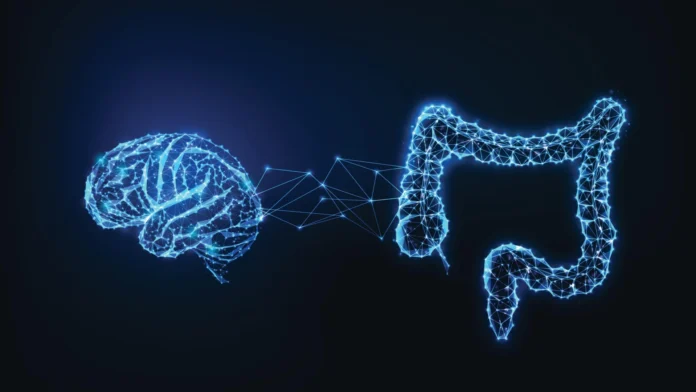

A new study shows that changes in the gut microbiome can directly influence how the brain works, revealing a powerful connection between microbes and brain activity.
Humans have the largest brain size relative to body size of any primate, yet scientists still know surprisingly little about how mammals with large brains evolved to meet the enormous energy demands needed to grow and maintain them.
Researchers at Northwestern University have now provided the first direct experimental evidence that the gut microbiome helps shape differences in brain function across primate species.
“Our study shows that microbes are acting on traits that are relevant to our understanding of evolution, and particularly the evolution of human brains,” said Katie Amato, associate professor of biological anthropology and principal investigator of the study.
Building on Earlier Microbiome Research
The new findings build on earlier work from Amato’s lab, which showed that gut microbes from larger-brained primates produce more metabolic energy when transferred into mice. This extra energy is essential because brains require a great deal of fuel to develop and operate.
In the current study, the researchers went a step further by examining the brain itself. They wanted to know whether gut microbes from primates with different relative brain sizes could actually change how the brains of host mice functioned.
Transplanting Primate Microbes Into Mice
To test this, the team conducted a tightly controlled laboratory experiment. They introduced gut microbes from two large-brain primate species (human and squirrel monkey) and one small-brain primate species (macaque) into mice that had no microbes of their own.
After eight weeks, the researchers observed clear differences in brain activity. Mice that received microbes from small-brain primates showed distinct patterns of brain function compared with mice that received microbes from large-brain primates.
Changes in Brain Genes and Learning Pathways
In mice given microbes from large-brain primates, scientists found higher activity in genes linked to energy production and synaptic plasticity, the process that allows the brain to learn and adapt. These same pathways were much less active in mice that received microbes from smaller-brained primates.
“What was super interesting is we were able to compare data we had from the brains of the host mice with data from actual macaque and human brains, and to our surprise, many of the patterns we saw in brain gene expression of the mice were the same patterns seen in the actual primates themselves,” Amato said. “In other words, we were able to make the brains of mice look like the brains of the actual primates the microbes came from.”
Links to Neurodevelopmental Conditions
The researchers also uncovered another unexpected result. Mice that received microbes from smaller-brained primates showed gene expression patterns associated with ADHD, schizophrenia, bipolar and autism.
Previous studies have found correlations between conditions such as autism and differences in gut microbiome composition. However, direct evidence that gut microbes contribute to these conditions has been limited.
“This study provides more evidence that microbes may causally contribute to these disorders — specifically, the gut microbiome is shaping brain function during development,” Amato said. “Based on our findings, we can speculate that if the human brain is exposed to the actions of the ‘wrong’ microbes, its development will change, and we will see symptoms of these disorders, i.e., if you don’t get exposed to the ‘right’ human microbes in early life, your brain will work differently, and this may lead to symptoms of these conditions.”
Implications for Brain Development and Evolution
Amato believes the findings could have important clinical implications, particularly for understanding the origins of certain psychological disorders and viewing brain development through an evolutionary lens.
“It’s interesting to think about brain development in species and individuals and investigating whether we can look at cross-sectional, cross-species differences in patterns and discover rules for the way microbes are interacting with the brain, and whether the rules can be translated into development as well.”
The study, titled “Primate gut microbiota induce evolutionarily salient changes in mouse neurodevelopment,” was published by the Proceedings of the National Academy of Sciences of the United States of America.